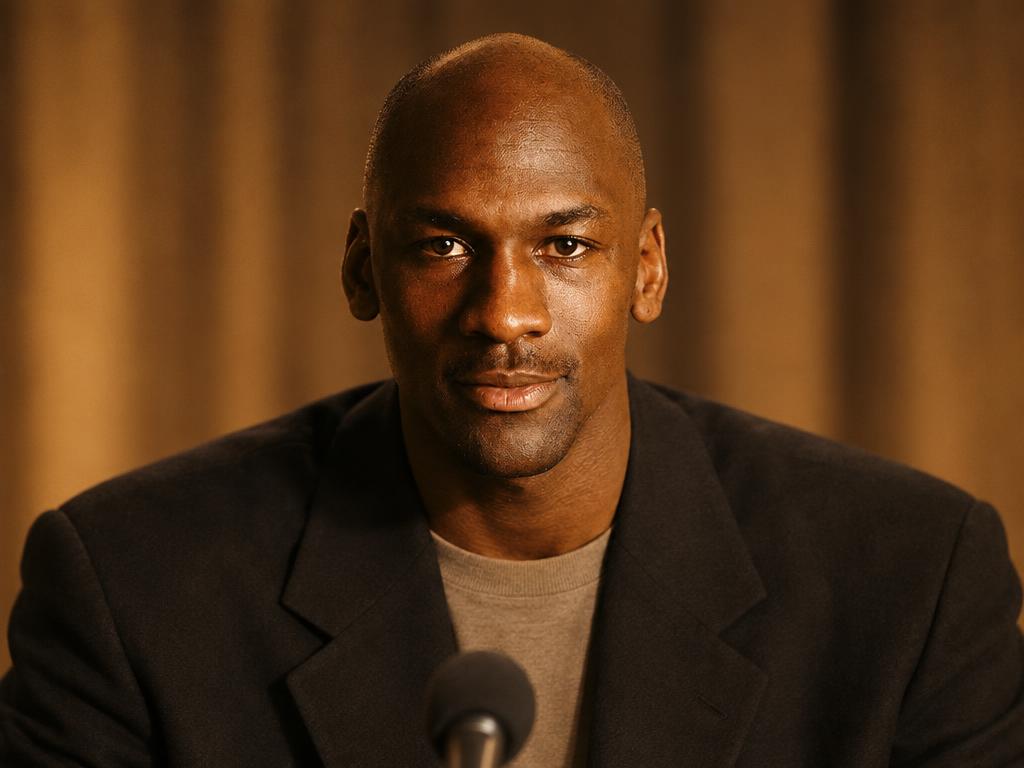
On October 6, 1993, Michael Jordan announced his retirement from the NBA. Chicago’s defining player was stepping away at the height of his basketball career, leaving the Bulls and their fans to imagine a future without the figure who had transformed the franchise.
Jordan’s importance went beyond scoring. His ability to create a shot, pressure an opponent and deliver in decisive moments had made Chicago a championship team. The Bulls won the NBA title in 1991, then repeated in 1992 and 1993. Jordan earned Finals MVP honors each time, giving the first championship run an unmistakable centerpiece.
That success also changed expectations. A Bulls game had become an occasion to watch one of the sport’s most recognizable athletes, not simply another date on the schedule. His departure interrupted that rhythm. Fans had seen him solve the challenges of reaching the top; suddenly, the question was how the team would respond when he was no longer on the floor.
The announcement marked a pause rather than the end of his sporting life. Jordan pursued professional baseball before returning to the NBA in 1995. Chicago later won three more championships, creating a second title run that made the first retirement part of a larger career story.
Looking back, the date matters because it divides two distinct Bulls eras. The first established Jordan as a champion; the second reinforced his place among basketball’s greatest players. The retirement between them showed how strongly one athlete could shape a team’s identity and the attention surrounding an entire league. His eventual return would be remembered against the absence that began that October day.