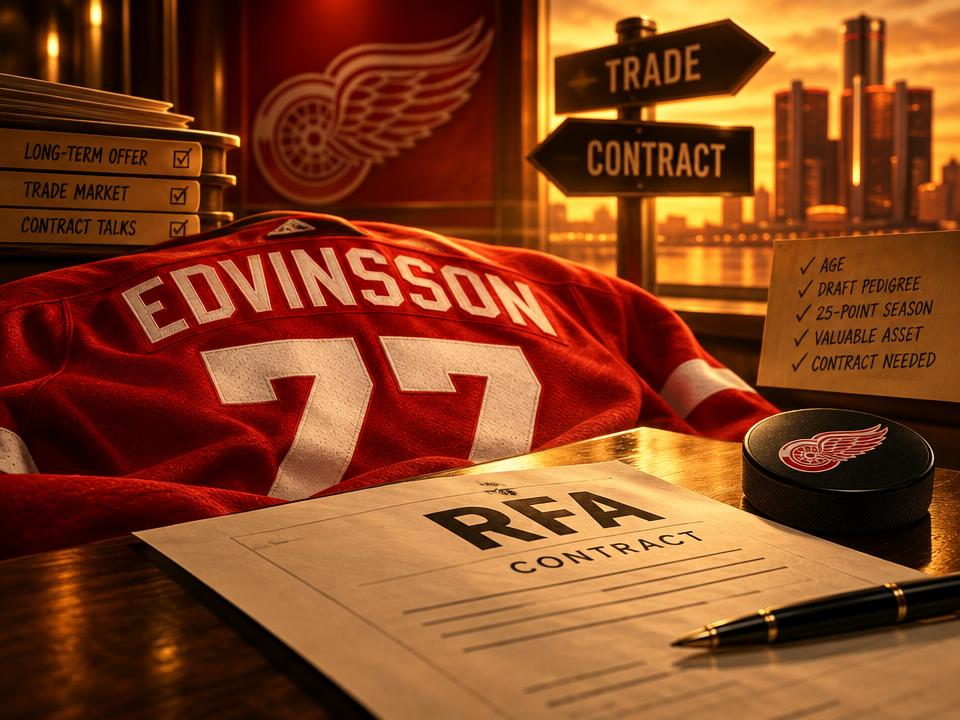
Steve Yzerman stepping down as Red Wings general manager after seven seasons without a playoff berth is more than a personnel shift. It lays bare the limits of patience in a franchise that once defined success and now owns the NHL's longest active drought at 10 years. Ownership's statement that the team is "not where we and our fans expect to be" confirms what the results already showed: the rebuild never gained enough traction to restore contention. That admission, paired with the timing around captain Dylan Larkin's trade request, forces an immediate reevaluation of direction rather than another year of incremental hope.
Yzerman arrived in 2019 with a championship pedigree from Tampa Bay, where his drafting and development laid the foundation for Cups. In Detroit the same approach produced a core of young talent but never enough complementary pieces or consistency to break into the postseason. Missing the playoffs every year under his watch, including a stretch where the team hovered near contention only to fade, eroded the benefit of the doubt that his playing legend once bought. The drought is no longer abstract; it is the longest in franchise history and the league's most glaring after Buffalo ended its own long absence. That reality made continued status quo untenable once the captain publicly signaled he no longer believed in the path.[[1]](https://www.espn.com/nhl/story/_/id/49366494/steve-yzerman-abruptly-steps-red-wings-gm)
Larkin's trade request, which surfaced shortly after the season, crystallized the friction. Armed with a full no-trade clause and five years left on a team-friendly deal, he submitted a short list of preferred destinations that later expanded modestly. The public nature of the request, following earlier contract tensions, revealed a breakdown in trust between the face of the franchise and the front office. Yzerman's refusal to guarantee a deal while insisting he would act in the team's best interest left both sides in limbo. Removing him from the GM chair changes the power dynamic overnight. A new head of hockey operations, whether internal candidates like Nicklas Lidstrom or an outside hire, starts without the personal history that complicated negotiations. That clean slate can accelerate a trade if the return makes sense or open space for Larkin to reconsider if the vision shifts enough to restore buy-in. Either outcome resolves the locker-room tension that hanging over another season would only deepen.[[1]](https://www.espn.com/nhl/story/_/id/49366494/steve-yzerman-abruptly-steps-red-wings-gm)
The broader consequence is cultural. Detroit's identity was built on sustained excellence, not extended rebuilds. Seven years of misses under a franchise icon tested that identity more severely than a typical coaching change or mid-season trade. By moving Yzerman into a senior adviser role while searching for new leadership, ownership signals that the "Yzerplan" label no longer carries automatic credibility. The search itself becomes a public referendum on how aggressively the team will pursue assets versus protecting its own prospects. A more aggressive posture could finally stockpile the high-end talent needed to compete in a tough division; a cautious one risks another season of mediocrity that further alienates the fan base already booing the team off the ice.
This is not about assigning sole blame. Development timelines, salary-cap constraints, and the competitive balance of the league all played roles. Yet the cumulative effect of zero playoff appearances created a breaking point that the Larkin situation simply accelerated. The impact lands hardest on the present: every roster decision, every trade call, and every public statement now occurs under the shadow of a failed timeline and a captain whose future is unsettled. Detroit must convert this reset into clearer standards for success or risk turning a temporary drought into a permanent identity crisis.