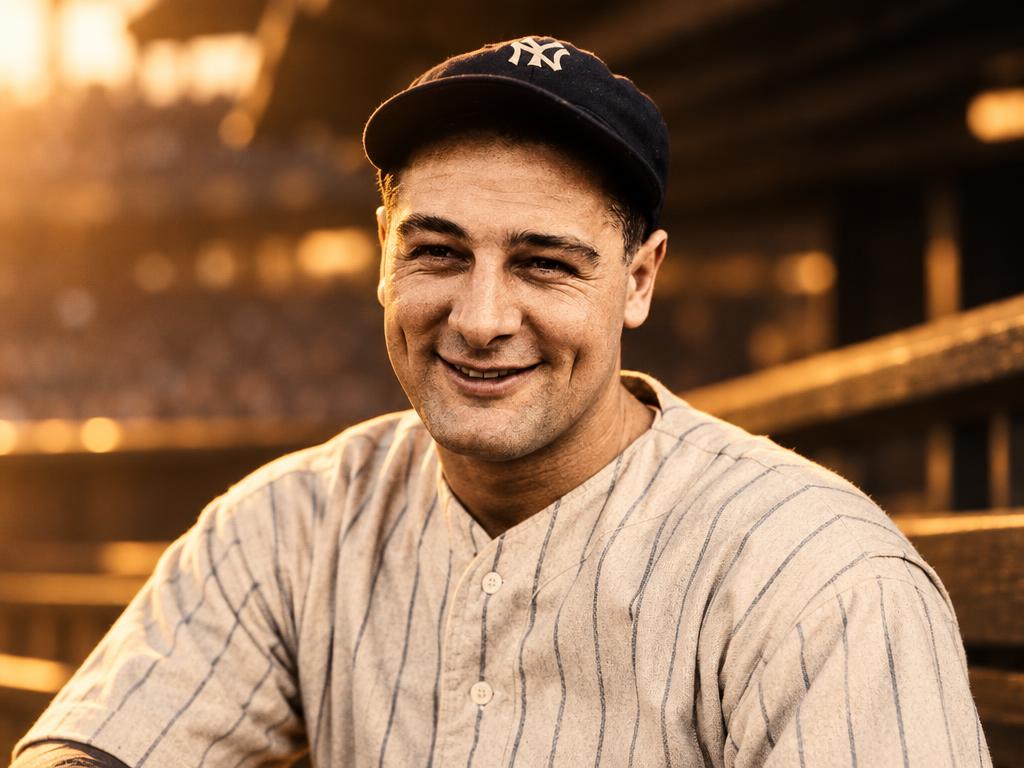
Lou Gehrig gave the New York Yankees something every ambitious team needs: exceptional production that could be counted on day after day. Born in New York City on June 19, 1903, he grew into a powerful left-handed hitter whose reserved manner contrasted with the attention surrounding teammate Babe Ruth.
After attending Columbia University, Gehrig joined the Yankees organization in 1923. He became a regular first baseman in 1925 and a central figure in the club's championship years. Batting behind Ruth did not make him a supporting act. It placed another formidable offensive threat at the heart of a lineup opponents struggled to escape.
Gehrig's strength was not limited to home runs. He drove balls through gaps, reached base consistently and converted opportunities into runs. His 1934 Triple Crown captured that complete offensive value, combining the league lead in batting average, home runs and RBI. The achievement belongs alongside his durability rather than underneath it.
The consecutive-games streak gave that durability a memorable number. Gehrig appeared in 2,130 straight games before removing himself from the lineup in May 1939. The feat required sustained health and resolve, but it also depended on remaining good enough to hold an important place in a championship team.
A diagnosis of amyotrophic lateral sclerosis explained the decline that had ended his playing career. On July 4, 1939, Yankee Stadium honored him, and his farewell connected gratitude with the reality of a devastating illness. His uniform number became the first retired by a major league club, and the Hall of Fame elected him that year.
Gehrig died on June 2, 1941. His name remains linked to ALS awareness, yet his sporting legacy deserves its full shape: a gifted hitter, a championship first baseman and a teammate whose reliability strengthened an era. The Iron Horse represents not merely showing up, but giving a team elite performance through years of changing demands.