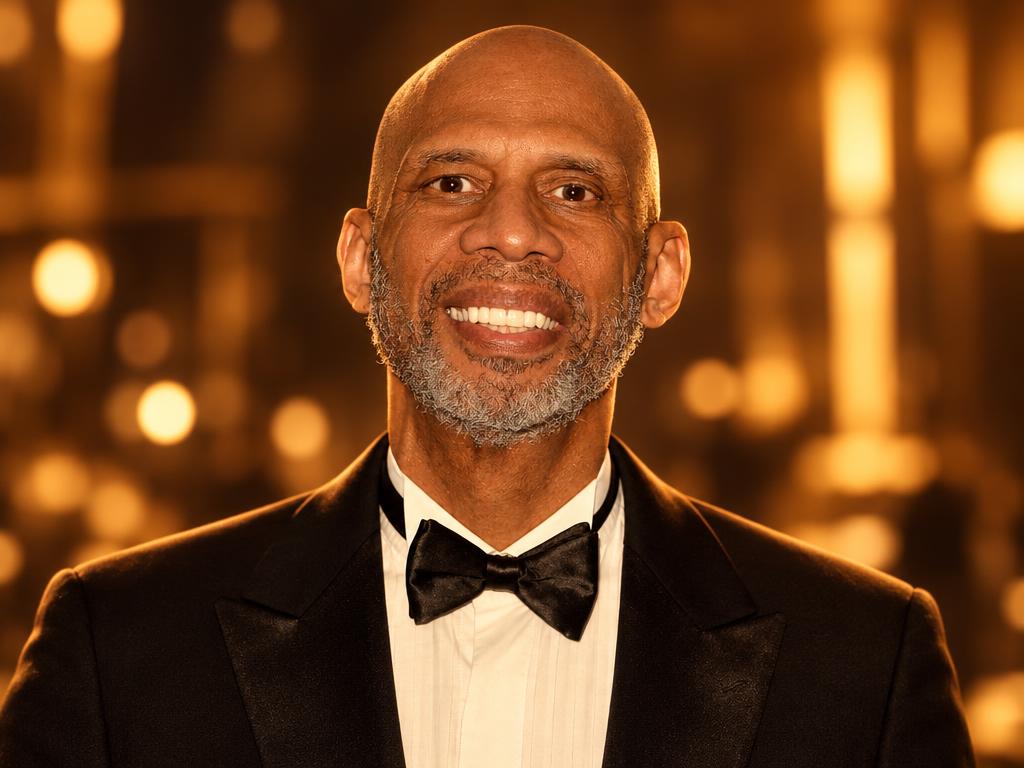
Kareem Abdul-Jabbar's signature shot looked graceful, but its importance was practical: the skyhook gave an offense a reliable answer against almost any defender. Born in New York City on April 16, 1947, he developed the touch, balance and discipline that allowed an exceptionally tall center to score without relying only on force.
Known as Lew Alcindor during his early basketball years, he starred at Power Memorial High School and then UCLA. Under John Wooden, he helped the Bruins win three consecutive NCAA championships. College success established him as a player who could anchor a system while presenting opponents with a problem ordinary defensive plans could not solve.
The Milwaukee Bucks selected him first overall in 1969. He quickly transformed the franchise, and the arrival of Oscar Robertson helped Milwaukee win the 1971 NBA championship. That year he publicly adopted the name Kareem Abdul-Jabbar, making a personal decision rooted in his Muslim faith part of his public identity.
A trade brought him to the Los Angeles Lakers in 1975. His career there bridged different teams and playing styles, eventually joining his half-court scoring with Magic Johnson's open-floor creativity. He could finish a fast break, provide a dependable post target or protect the basket at the other end.
Longevity made the achievement larger than a collection of peak seasons. Abdul-Jabbar adjusted as his role changed, remaining an important contributor to championship teams late in his career. He retired in 1989 with the NBA's career scoring record, a mark that stood until LeBron James passed it in 2023.
Abdul-Jabbar entered the Basketball Hall of Fame in 1995 and built an influential life as an author and public commentator. His basketball legacy is both technical and organizational: a carefully developed skill can remain effective through changing eras, and a great player can keep helping a team even as its offense and leadership evolve around him.