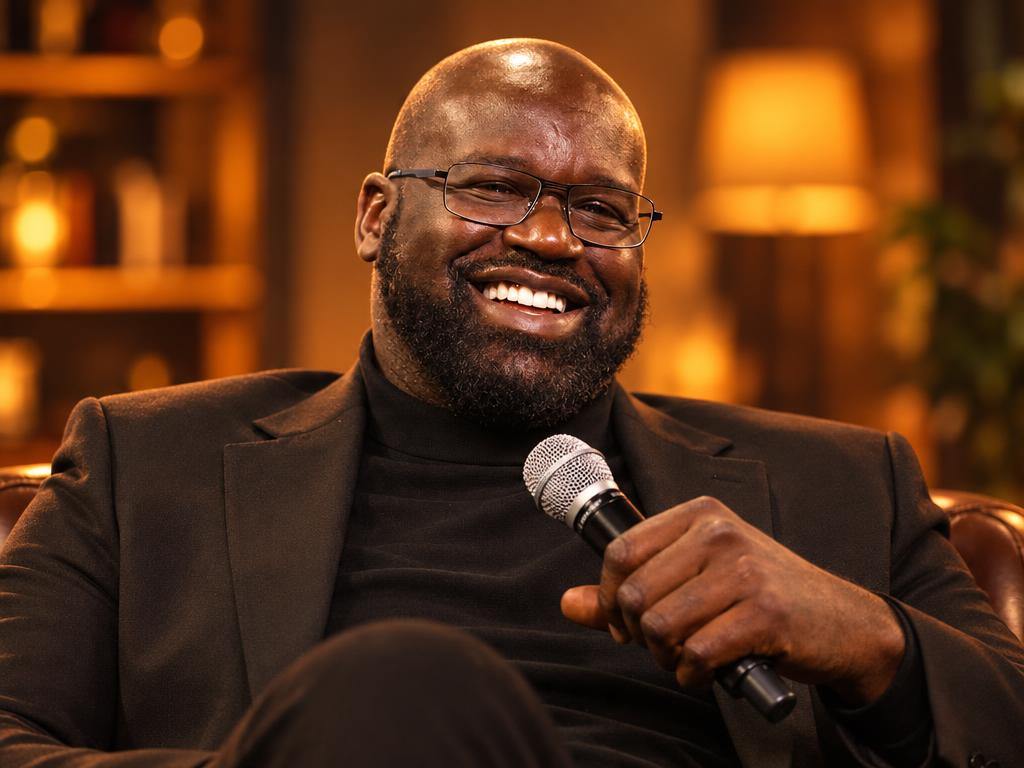
Before a defense could settle into its preferred shape, it had to decide what to do about Shaquille O'Neal. Born in Newark, New Jersey, on March 6, 1972, he brought an unusual combination of size, strength and mobility to basketball. His presence near the basket changed where teammates found space and how opponents committed their players.
O'Neal became a college star at LSU before the Orlando Magic selected him first overall in 1992. His immediate impact helped a young franchise acquire a national identity. Alongside Penny Hardaway, he reached the 1995 NBA Finals, showing how quickly a team could rise around an extraordinary interior scorer.
He joined the Los Angeles Lakers in 1996 and eventually formed a championship partnership with Kobe Bryant. Under Phil Jackson, the Lakers won three consecutive titles from 2000 through 2002. O'Neal was the Finals MVP each time, with opponents struggling to keep him from receiving the ball in positions where help arrived too late.
His dominance required more than finishing dunks. O'Neal established deep position, drew extra defenders and passed out of pressure to create shots elsewhere. Free-throw difficulties gave opponents another strategy, but those tactics also reflected how costly it could be to defend him through ordinary possession-by-possession decisions.
A move to Miami in 2004 created another championship opportunity. With Dwyane Wade taking a leading role, O'Neal helped the Heat win their first NBA title in 2006. Later stops in Phoenix, Cleveland and Boston brought different responsibilities before he retired in 2011 and entered the Basketball Hall of Fame in 2016.
O'Neal's public personality extended his reach through entertainment, business and broadcasting. His sporting influence remains centered on the paint: a truly dominant inside player can shape the entire court. Teams had to construct their rotations, personnel and defensive risks around him, making his career a clear example of how one physical matchup can organize a championship offense.