Inter Miami’s 4-2 Leagues Cup win over Atlético de San Luis on August 5 was not just another Messi highlight reel. It was a stress test of how much this team can bend a game around one playmaker before the whole structure starts to wobble. Miami survived because its attack found the right overloads early, but San Luis also exposed the uncomfortable truth: when the midfield loses control, the Herons can look strangely ordinary without the ball.
San Luis struck first, forcing Miami to chase the match instead of dictating it. That mattered because Miami’s best attacking sequences came when Messi could receive facing forward, not when he had to drop deep and rescue possession. Once the Herons started moving the ball quicker through the middle, the game tilted. Messi’s first goal in the 11th minute settled the nerves, but the bigger tactical shift was how Miami began using him between the opposing midfield and back line.
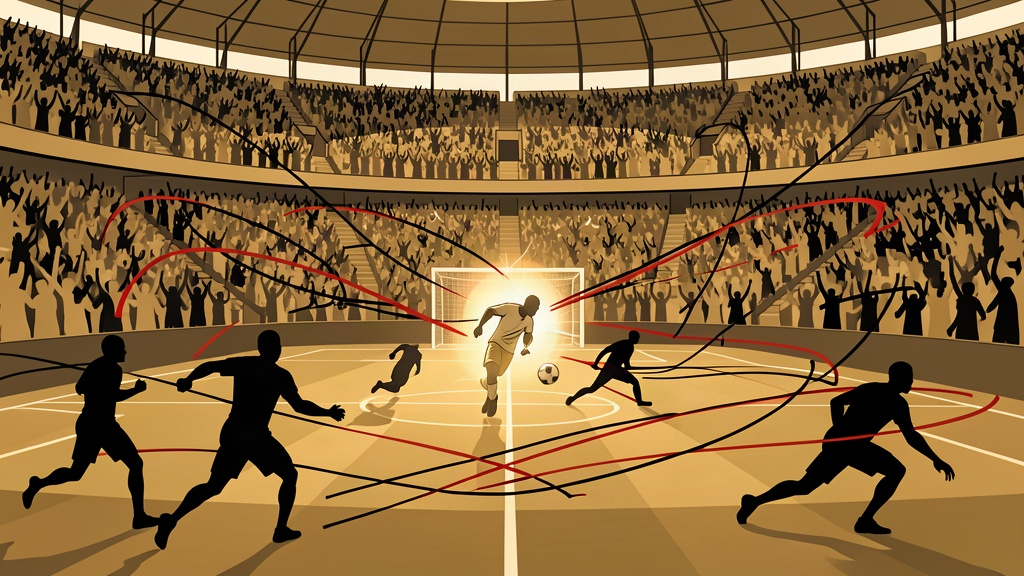
That pocket became the match’s central battleground. San Luis wanted to keep its defensive line compact, but stepping toward Messi opened space behind the first pressure. Staying home gave him time to turn. Either choice was dangerous. Miami’s wide players could then stretch the shape, while Rodrigo De Paul helped connect the first pass into the attacking third instead of leaving Messi isolated against two or three defenders.
Messi’s second goal, just before halftime, showed the value of that movement. He was not simply waiting at the top of the box for a final pass. He drifted into the attack, read the developing combination, and arrived where San Luis’ defensive attention had already been pulled apart. The 3-1 score at the break reflected more than individual brilliance. It showed Miami creating a chain reaction: Messi moved, defenders reacted, and the next passing lane appeared.
The concern came after the break. San Luis kept pushing and found a second goal, turning the final stretch into something far more uncomfortable than the halftime score suggested. Miami’s pressure became less coordinated, and the space between its midfield and back line grew. That is where the Herons remain vulnerable. Their attackers can win a shootout, but they do not always kill the game by controlling territory.
- 🔥 The strength: Messi’s freedom between the lines gave Miami a constant escape valve against pressure.
- ⚠️ The warning: Once the midfield stopped owning the second ball, San Luis could attack Miami’s exposed center.
- 🎯 The takeaway: Miami does not need Messi touching the ball every attack, but it does need him receiving in dangerous zones.
The discussion now is bigger than whether Messi can still produce. Of course he can. The real question is whether Miami can build enough control around him to make his brilliance decisive instead of necessary every five minutes. Against San Luis, the answer was good enough for three points in the tournament. Against stronger opponents, that second-half drop will invite punishment. The Herons have the attacking ceiling to win Leagues Cup, but their midfield spacing will decide whether this becomes a deep run or another frantic escape.